


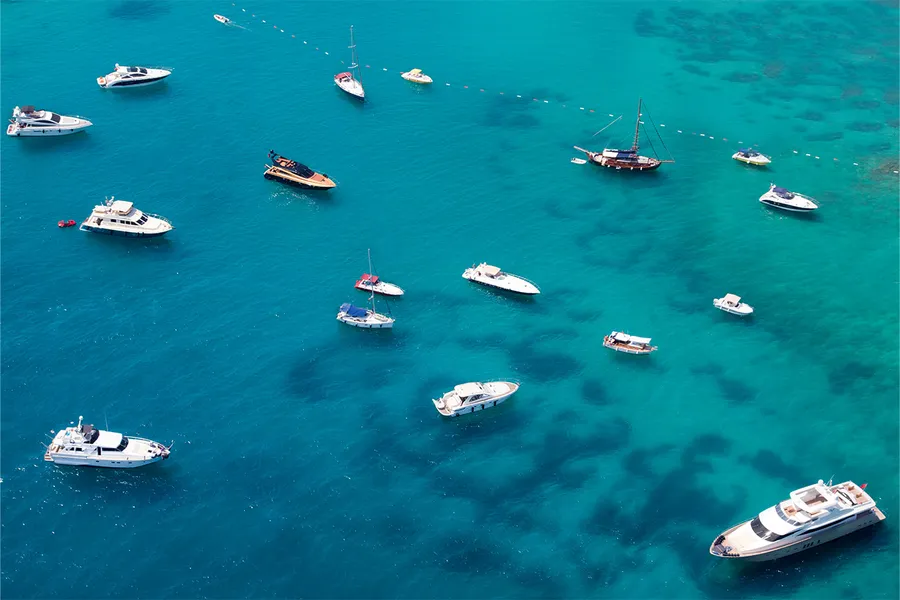
Mastering boating etiquette in Clearwater is about more than just being polite; it’s about ensuring the safety of everyone sharing the Gulf and Intracoastal waters. From efficient ramp maneuvers to understanding right-of-way in a crowded channel, following these unwritten rules keeps the "boating vibe" high and helps protect the fragile Florida marine environment.
1. Respect the Ramp
Your day on the water begins and ends at the boat ramp, and nothing sours the mood like a "ramp hog".
- Stage Before You Launch: Use the designated staging area to load your gear, install the drain plug, and remove tie-downs. Never pull onto the ramp until your boat is 100% ready to slide into the water.
- Be Efficient: Once launched, move your vessel immediately to a courtesy dock or away from the ramp to allow the next boater access.
- Park Responsibly: Ensure your truck and trailer are within the designated lines to maximize space for others.
2. Understand Right-of-Way
In the busy channels of Clearwater, knowing who is the stand-on vessel (maintains course) and who is the give-way vessel (takes action to avoid) prevents dangerous close calls.
- Head-On: When meeting another boat head-on, both should steer to the right (starboard) and pass port-to-port, just like driving a car.
- Crossing: The vessel on the right has the right of way. If a boat is approaching from your starboard side, you must slow down or change course to go behind them.
- Overtaking: If you are passing a slower boat, the boat being passed is the stand-on vessel. Pass with plenty of room and at a speed that won't swamp them with your wake.
- Human-Powered Priority: Always yield to kayaks, paddleboards, and sailboats under sail, as they have limited maneuverability.
3. Own Your Wake
You are legally and ethically responsible for the waves your boat creates.
- No-Wake Zones: In Florida, you must operate at "idle speed, no wake" within 100 feet of the shoreline and in all designated zones.
- Protect Others: Slow down when passing anchored fishing boats, smaller craft, or swimmers. A large wake can cause property damage or even injury to those in smaller vessels.
- Erosion Control: Reducing wake near shorelines helps prevent erosion of our beautiful Florida beaches and protects local wildlife habitats.
4. Environmental and Social Manners
Clearwater's beauty depends on boaters acting as stewards of the Gulf.
- Trash Management: "Carry in, carry out." Never throw anything overboard—especially fishing line or plastics, which are deadly to sea turtles and birds.
- Mind the Noise: Sound travels much further over water. Keep music at a respectful volume, especially in coves or near residential areas.
- The Boater’s Wave: A friendly wave to passing boaters isn't just a tradition; it signals a sense of community and that you are alert and aware.
5. Marina and Dock Etiquette
Marinas are high-traffic hubs where patience and preparation are mandatory.
- Fuel and Go: At the fuel dock, fill up, pay your bill, and move your boat to a proper slip before heading to the shop for snacks.
- Lend a Hand: If you see someone struggling to dock in a heavy current, offering to catch a line can prevent a minor mishap from becoming a major repair.
- Keep Docks Clear: Don't leave coolers, hoses, or fishing gear where they create a tripping hazard for others.
Frequently Asked Questions
What should I do if my engine won't start at the ramp?
If you have a mechanical issue, pull your boat back up the ramp and troubleshoot in the staging area so you don't block others. Our service center is here to help if you need professional repairs.
How do I handle passing an angler?
Give them as much space as safely possible and slow down to avoid spooking the fish or rocking their boat with your wake.
Can I trade in my boat if it’s older?
Absolutely. We accept a variety of makes and models. You can get a trade-in value online to see how it can help you get into one of our new inventory models.