


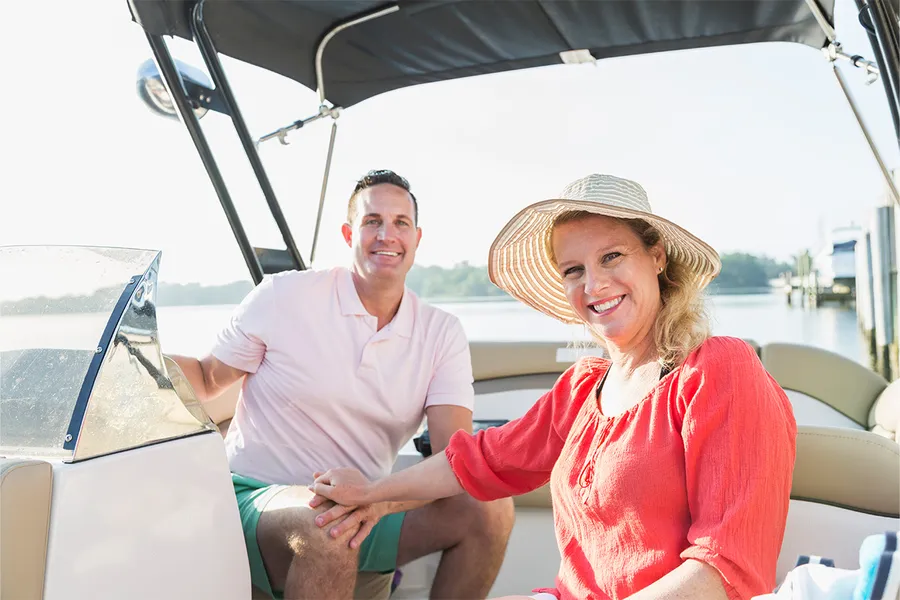
Packing efficiently for a day on the Gulf of America is essential for maintaining boat performance, fuel efficiency, and passenger comfort. In the Clearwater area, where space on deck is at a premium and saltwater conditions demand specific gear, learning to distinguish between "must-haves" and "nice-to-haves" ensures a more organized and stress-free adventure.
1. Prioritize Safety and Compliance First
Before considering personal items, ensure all Coast Guard-mandated safety equipment is on board and accessible. Weight should never be a reason to leave behind life jackets, flares, or fire extinguishers. If you find your current vessel is consistently cramped when safety gear is loaded, it may be time to explore our new inventory for models with integrated under-seat and in-floor storage solutions.
2. Choose Versatile, High-Performance Apparel
Florida’s West Coast weather can change rapidly. Instead of packing separate outfits for heat, rain, and evening breezes, opt for versatile layers:
- Moisture-Wicking Fabrics: Lightweight shirts that offer UPF protection and dry quickly are ideal for the Clearwater humidity.
- Footwear: Wear non-marking, slip-resistant shoes rather than bringing multiple pairs of sandals.
- Minimalist Outerwear: A packable, breathable rain jacket takes up minimal space but is vital during a sudden Gulf afternoon shower.
3. Transition to Soft-Sided Storage
Hard-sided coolers and bulky tackle boxes are "space killers" on a boat. To maximize deck space for movement and socializing, transition to collapsible and flexible storage options:
- Dry Bags: These protect electronics and extra clothes from salt spray while being easy to tuck into tight compartments.
- Soft Coolers: These are easier to secure and stow than traditional plastic chests.
- Tackle Bags: For anglers heading out of Clearwater Pass, soft-sided tackle bags allow you to bring only the specific lures needed for the day’s target species.
4. Streamline Food and Hydration
Overpacking food is a common mistake that leads to excess waste and weight. For a trip to the Three Rooker sandbar or a cruise through the Intracoastal, focus on high-energy, low-mess snacks.
- Pre-Packaged Portions: Avoid bringing large, original containers. Use reusable, stackable bins to save space.
- Hydration: Use a large insulated water jug rather than dozens of individual plastic bottles to reduce both weight and litter risk in our sensitive marine environment.
5. Multi-Use Gear is Key
Every item on the boat should serve more than one purpose if possible. For example, a microfiber towel takes up a fraction of the space of a cotton towel and dries significantly faster. If your boat’s storage hinges are sticking or compartments are difficult to access, our service center can perform a full inspection and hardware lubrication to ensure your storage is fully functional.
Frequently Asked Questions
How does extra weight affect my boat's performance?
Excessive weight, particularly in the bow or on one side, can negatively impact your boat's plane time, fuel economy, and handling in choppy Gulf waters.
What is the best way to distribute weight on a boat?
Keep the heaviest items centered and low to maintain a stable center of gravity. Ensure your passengers are distributed evenly to prevent listing.
Can I trade in my boat if I need more storage space?
Absolutely. If you’ve outgrown your current vessel, you can get a trade-in value online to help you upgrade to a boat better suited for your family's gear.