


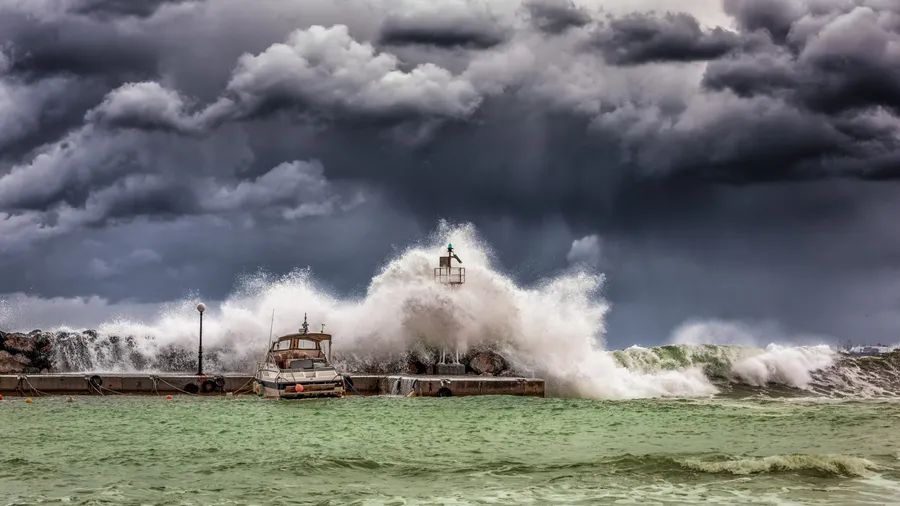
Preparing for a hurricane in Clearwater requires a proactive approach that includes creating a detailed evacuation plan, securing your vessel with extra lines and fenders, and staying informed through the National Hurricane Center. For coastal boat owners on the Gulf, hurricane season is a significant risk, and having your boat ready before a storm approaches is vital for protecting your investment.
1. Create a Comprehensive Hurricane Plan
Develop a written hurricane plan and checklist well in advance so you can act quickly when a watch or warning is issued.
- Determine Relocation: Decide if your boat can be trailered inland to a higher elevation or if it must remain at a local marina.
- Identify Routes: If trailering, know your inland route and have a designated storage location ready.
- Stock Supplies: Keep extra high-strength dock lines, heavy-duty fenders, and ratcheting straps on hand specifically for storm prep.
- Practice: Run through your plan at least once to ensure you have all the necessary tools and know exactly how long the process takes.
2. Stay Informed on Weather Reports
While the Gulf Coast lifestyle often means disconnecting, extreme weather requires constant monitoring of official forecasts.
- National Hurricane Center: Check the NHC website for the most accurate tropical weather updates.
- Emergency Alerts: Use smartphone apps to receive instant alerts and keep a battery-powered weather radio as a backup for power outages.
- Local Notifications: Stay tuned to Clearwater and Pinellas County emergency management updates for specific evacuation orders.
3. Secure the Vessel
If your boat must stay in the water at a Clearwater dock, you must "batten down the hatches" to mitigate potential damage.
- Bilge Pumps: Ensure your batteries are fully charged so bilge pumps can operate throughout the storm.
- Double Lines: Use twice as many dock lines as usual and ensure they are tied securely to accommodate for storm surges.
- Cushion Impact: Position as many fenders as possible to protect the hull from hitting the dock or neighboring vessels.
- Set Anchors: If possible, drop both front and rear anchors to help maintain the boat's position.
4. Inventory and Documentation
Take a detailed inventory and visual record of your boat before the storm hits to support potential insurance claims.
- Photo Evidence: Take high-resolution photos and videos of the boat's exterior, interior, and all installed equipment.
- Prep Documentation: Photograph your storm preparations (lines, fenders, etc.) to show you took reasonable steps to protect the vessel.
- Secure Valuables: Remove all expensive electronics, fishing gear, and personal items and store them in a secure, dry location elsewhere.
5. Review Your Marine Insurance
Familiarize yourself with your specific marine insurance policy requirements before hurricane season begins. Not all policies cover storm damage automatically, and some may have specific requirements for where the boat must be kept during a named storm. If you are looking to upgrade your coverage or want to discuss financing options for a more storm-resilient vessel, our team is here to help.
6. Never Ride Out the Storm Onboard
The safest way to handle a hurricane is to get off the water entirely. Staying on board during a storm severely compromises your safety and is never worth the risk. Once the hurricane hits, there is nothing you can do to save the boat that wasn't already done during the preparation phase.
Frequently Asked Questions
When is the best time to start hurricane prep?
Preparation should start long before a storm is on the horizon. June 1st marks the official start of the season, but having your supplies and plan ready by May is recommended.
Can I leave my boat on a lift during a hurricane?
In Clearwater, storm surges can often lift boats right off their lifts. It is generally safer to trailer the boat inland or secure it in the water with long lines to account for rising tides.
How do I get my boat checked after a storm?
Once it is safe to return, perform a thorough inspection for water intrusion or structural damage. Our service center can help with professional diagnostics and repairs if your boat was impacted.